My daughter was six when we brought home our first hamster, a tiny Winter White dwarf hamster called Mimi. Since then we’ve shared our home with quite a few hamsters, one surprise litter, and at least one nighttime escape. So when other parents ask me, “Is a hamster a good first pet for my child?”, my honest answer is: it depends, and probably not as early as you think.
Here’s what we learned, the good and the not-so-good.
The short answer
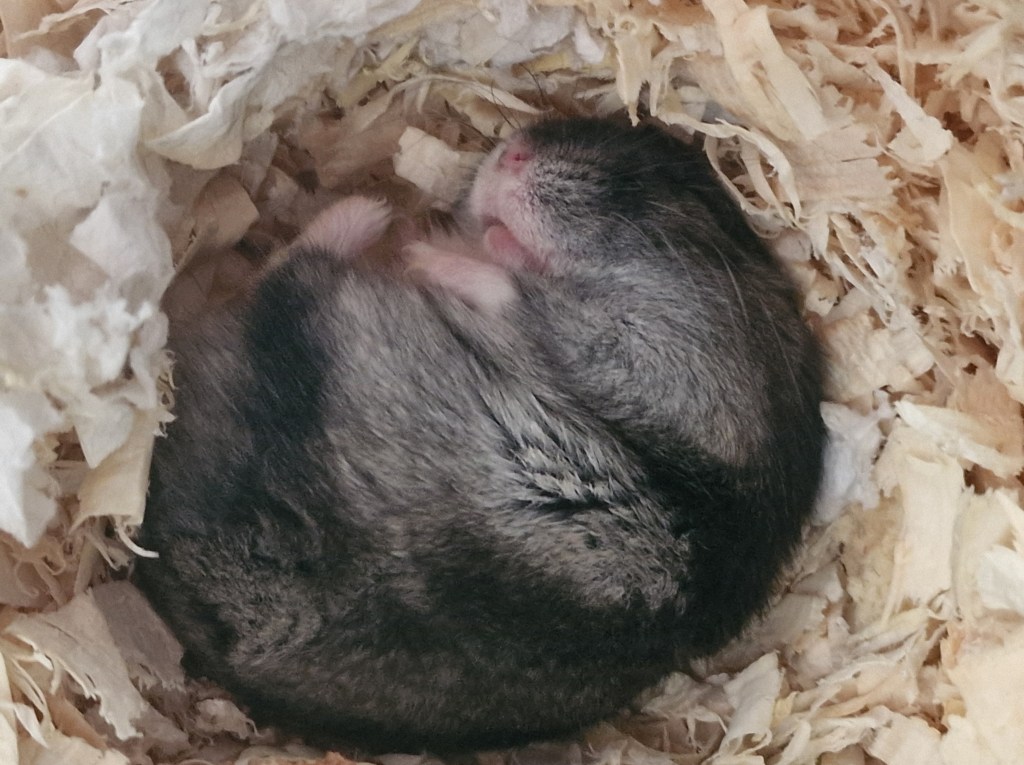
A hamster can be a wonderful family pet, but I wouldn’t get one for a child under about 10 unless a parent is happy to do most of the care and supervise every time the hamster is handled. Hamsters are tiny, fragile and quick. Younger kids love them, but they can easily squeeze or drop them without meaning to.
Why we got a hamster in the first place
My daughter had wanted a pet for ages, but we were renting a house where cats and dogs weren’t allowed. At the same time, I had a serious operation coming up and would be in the hospital. My daughter was very attached to me back then, and she’s a highly sensitive child, so we decided not to tell her about the surgery. We didn’t want her to spend weeks worrying and getting upset. Instead, we thought a little friend of her own might help her through the time I was away and recovering.
So we went to a pet store and “adopted” Mimi. The store gave my daughter an adoption certificate, and she was over the moon.
What surprised us
How clever such a tiny animal can be. A month after we got her, I had my surgery, and once I was home I had to spend most of my time lying down. Mimi kept me company for hours every day when nobody else was around. I’d take her out, she’d wander around on the bed and then curl up right next to me. After about six weeks, she came when I called her name. She was so tiny and yet so smart, and I honestly didn’t expect that from a hamster. Unlike what you might read about hamsters, Mimi was active during the day and mostly slept at night.
Who the hamster bonds with. Because I spent so much time with Mimi, she ended up preferring me. When life went back to normal and I couldn’t give her hours every day, my daughter was a little sad that Mimi liked Mom best. Hamsters bond with whoever feeds and handles them most calmly and consistently, and that isn’t always the child the pet was bought for.
Pet store staff aren’t always experts. We decided to get my daughter a second hamster of her own, Kiki. The store assured us Kiki was a girl. You can probably guess where this is going.
What went wrong (so you can avoid it)
Mimi and Kiki lived in separate cages. But while I was back in the hospital with complications, my daughter had what she thought was a brilliant idea: the hamsters would be less lonely together. Two weeks later we found out that Kiki was definitely a boy.
We kept every one of the babies, but it taught us two big lessons:
- Hamsters live alone. They are solitary animals, and putting two together can end in serious fights, or, as we learned, babies. Each hamster needs its own enclosure.
- Kids need clear rules. A six-year-old doesn’t know why hamsters can’t share a home. Explain the “why” and don’t leave them in charge of big decisions.
We also made the classic first-timer mistake of choosing Mimi’s cage because it looked cute: bright colors and lots of levels. Kiki got a better-suited cage. It worked for us only because the hamsters, especially Mimi, used their cages mostly at night. During the day they played in two big plastic storage bins, about 40 inches long and 12 inches deep, with me, with my daughter, and with plenty of little snacks like bits of fruit and veggies. After the surprise babies arrived, Mimi and her litter moved into an even bigger bin, about 47 x 35 inches, with 12 inches of bedding. We started with wood shavings, but paper bedding turned out to work better for them. If I were starting today, I’d skip the pretty cage and go straight for a large enclosure with at least 775 square inches of floor space (about 40 x 20 inches) and deep bedding. You can read more in my guide on how to set up a hamster cage.

Do hamsters bite?
Sometimes, usually when they’re scared. A new hamster doesn’t know you yet, and a child’s hand swooping in from above looks a lot like a predator. We tamed ours slowly with food: offering sunflower and pumpkin seeds from an open hand until they came to us on their own. After that, they weren’t afraid of us at all. Here’s my step-by-step taming guide.
Escapes happen
Hamsters are escape artists, and kids forget to close doors. More than once, a hamster slipped out of its cage or out of my daughter’s hands, and guess who searched every corner of the house? Luckily, ours usually came when called or started rustling around, so they were easy to find.
Except once. Kiki escaped overnight, clearly had the time of his life, and was completely silent all the next morning. I finally found him in the afternoon, fast asleep under a cabinet.
Who actually does the work
I’ll be honest: almost all of the care landed on me. My daughter’s favorite job was handing out snacks. Cleaning, fresh water, checking for health problems and hunting for escapees were Mom’s jobs.
That’s normal, and it’s fine as long as you expect it. A rough split that works:
- Younger kids: choosing healthy treats with you, refilling food with help, sitting quietly while the hamster explores.
- Kids 10+: daily food and water, spot cleaning, gentle handling on their own.
- Parents, always: vet visits, bigger cleans, and keeping an eye on the hamster’s health.
Hamsters are fragile
They’re small and delicate. A short fall can injure them, and they can pick up colds from people, so no hamster cuddles when your child is sick. And when a hamster does get ill, it can go downhill fast. Know the common warning signs.
Finding a good vet for hamsters can also be surprisingly hard. Many regular vets don’t treat small rodents, so look for an exotic or small-mammal vet near you before you bring a hamster home.
What a hamster really costs
The hamster is the cheap part. At big US pet store chains, a hamster usually costs around $15 to $25. Everything else adds up:
- First year: roughly $300 to $600 for a big enough enclosure, a proper wheel, bedding, food and hides.
- After that: about $20 to $40 a month, mostly bedding and food.
- A vet visit for a sick hamster: often $100 or more.
Tip: a large storage-bin cage is the cheapest way to get enough space.
Before you buy: a quick checklist for parents
- Am I happy to do most of the care myself?
- Is my child old enough to handle a hamster gently, or will I supervise every time?
- Do we have room for a big enclosure, around 40 x 20 inches?
- Is there a vet nearby who treats hamsters?
- Can we budget for setup and ongoing costs?
- Are we ready for a pet that lives only 2 to 3 years?
So, would I do it again?
Absolutely. Mimi got me through one of the hardest times of my life, and we all fell in love with her. Hamsters are sweet, funny and far smarter than they look. But I’d go in with open eyes: a hamster is a family pet that a parent looks after, with a child as a very enthusiastic helper.
If your little one is hamster-crazy but not quite ready for a real one yet, these books for kids who love rodents are a lovely place to start.


Leave a comment