
Taming a hamster can be a rewarding experience, creating a bond between you and your small furry friend. It requires patience, consistency, and the right approach to ensure your hamster feels safe and comfortable. Here’s a step-by-step guide on how to tame a hamster.
Step 1: Setting Up the Perfect Environment
Before you start taming your hamster, it’s crucial to ensure that its living environment is safe and comfortable. A stressed hamster will be harder to tame. See how to set up a hamster cage for the full guide.
- Proper Cage: Choose an enclosure with at least 100 x 50 cm of unbroken floor space. UK charities such as PDSA and Blue Cross recommend this minimum for all hamster species, dwarfs included.
- Bedding: Use paper-based bedding, at least 20 cm deep in part of the enclosure, so your hamster can burrow and feel secure.
- Hideouts and Toys: Provide hideouts and toys to keep your hamster stimulated and secure.
Step 2: Let Your Hamster Acclimate
When you bring your hamster home, give it a few days to get used to its new environment. Avoid handling it during this period to minimize stress.
- Quiet Environment: Keep the cage in a quiet place away from loud noises and direct sunlight.
- Observation: Spend time near the cage to let your hamster get used to your presence without trying to touch it.
Step 3: Start with Hand Feeding
Once your hamster seems comfortable in its new home, start the taming process by offering food directly from your hand. This helps build trust and positive associations.
- Use Treats: Offer small, healthy treats like a sunflower seed or a tiny piece of fresh vegetable. Check what hamsters can eat first.
- Stay Still: Hold your hand steady inside the cage and let the hamster approach you.
Step 4: Gradually Introduce Handling
After your hamster is comfortable taking food from your hand, you can start to gently handle it. Be patient and take small steps to avoid frightening your hamster.
- Gentle Touch: Start by gently petting your hamster while it eats from your hand.
- Lift Carefully: Once your hamster is used to your touch, try lifting it gently with both hands, low over the bedding in case it jumps.
- Short Sessions: Keep the initial handling sessions short to avoid stressing your hamster.

Step 5: Consistency is Key
Consistency is crucial in taming a hamster. Regular, gentle handling will help your hamster get used to you more quickly.
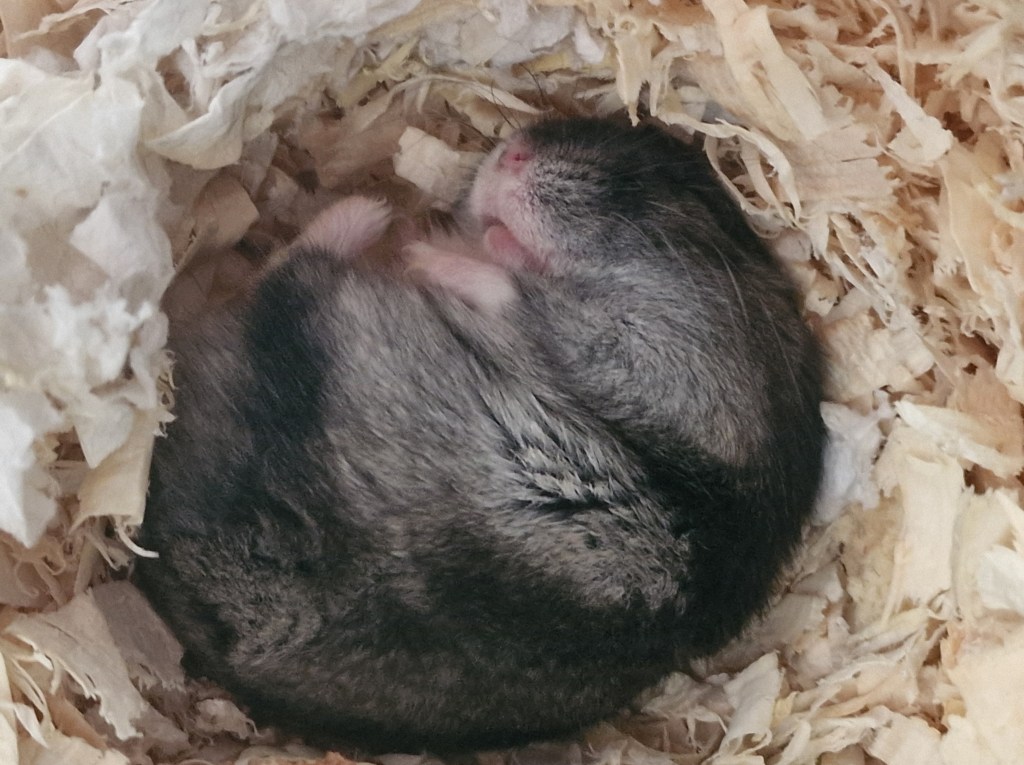
- Daily Interaction: Spend time with your hamster every evening when it is naturally awake, gradually increasing the duration of handling sessions. Don’t wake a sleeping hamster to handle it.
- Positive Reinforcement: Offer a small treat during and after handling to reinforce positive behavior.
Step 6: Understanding Your Hamster’s Behavior
Recognizing your hamster’s body language is essential to avoid stressing it.
- Relaxed Body: A relaxed hamster will move slowly and may even groom itself.
- Teeth Chattering: Indicates nervousness or fear; give your hamster some space if you notice this behavior.
- Curious Exploration: A curious hamster will approach new objects or your hand without hesitation.
Final Thoughts
Taming a hamster requires patience, consistency, and a gentle approach. By following these steps, you can build a strong bond with your hamster and ensure it feels safe and loved. Remember, every hamster is different, so let your hamster set the pace. Happy taming!
Related: Food puzzles for hamsters · Books for kids who love rodents



Leave a comment