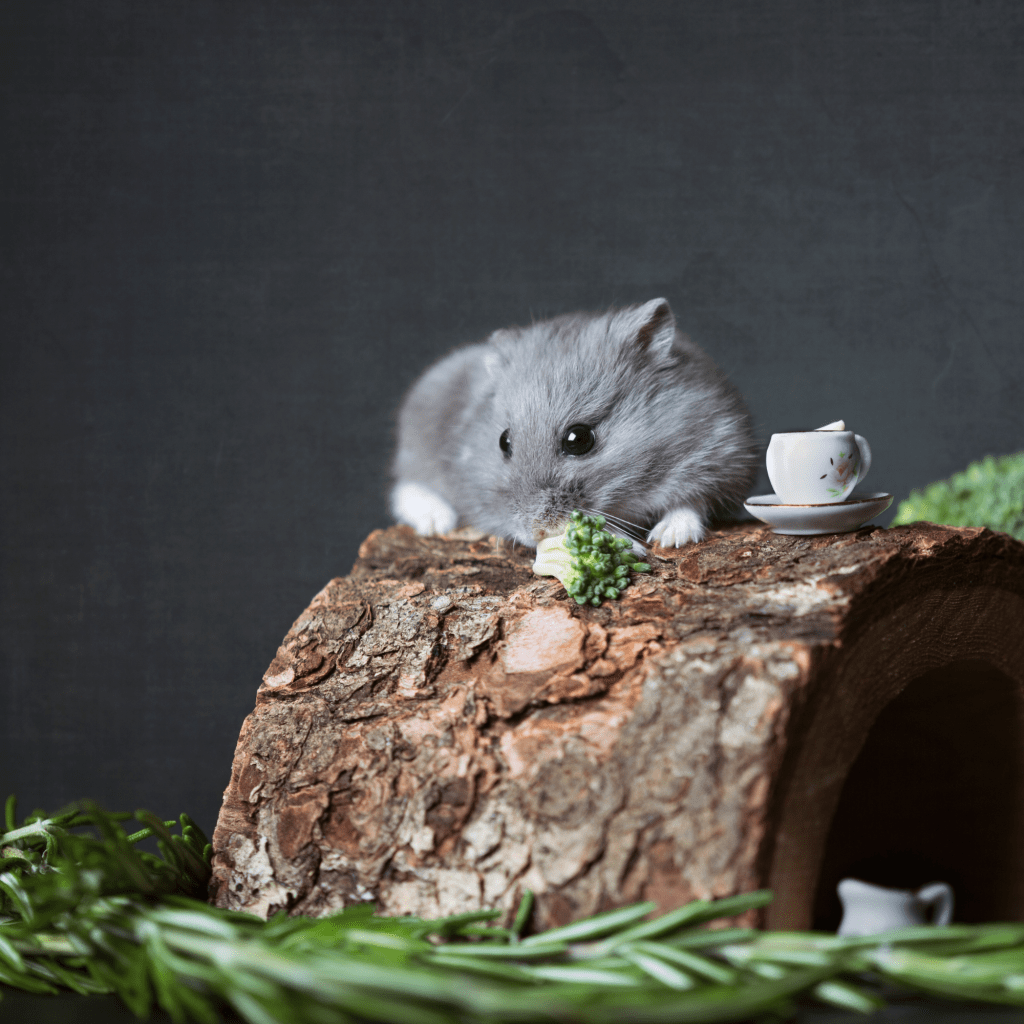
Hamsters are adorable, curious creatures that love to explore and nibble on different foods. As a responsible pet owner, it’s crucial to ensure that any plant your hamster eats is safe and non-toxic. Some plants can be harmful or even fatal to these small creatures, so it’s best to stick with hamster-safe options. In this guide, we’ll explore plants that your furry friend can enjoy without risk.
Why Include Plants in a Hamster’s Diet?
Adding fresh plants to your hamster’s diet can provide vitamins, minerals, and fibre, and adds a little extra moisture. Fresh greens also make great enrichment, especially when hidden around the enclosure. They should be a small extra alongside a good hamster mix, as explained in what hamsters should eat.
Safe Plants and Herbs for Hamsters
Here are some hamster-friendly plants that you can safely offer in moderation:
1. Dandelion Leaves and Flowers
Dandelions are safe for hamsters and rich in nutrients like vitamin C and calcium. Ensure they come from areas free of pesticides, dogs and traffic pollution.
2. Clover
Both clover leaves and flowers are safe for hamsters to eat in small amounts. They provide fibre and nutrients while serving as a tasty treat.
3. Basil
This aromatic herb is safe for hamsters in small amounts and adds variety to their diet.
4. Parsley
Parsley is another safe herb, but it should be given in moderation as it is rich in calcium, which can contribute to bladder stones if eaten in excess.
5. Coriander (Cilantro)
Coriander is safe and well-liked by many hamsters. It has a mild flavour.
6. Mint
Fresh mint leaves can be a refreshing treat, but only offer them occasionally to avoid digestive upset.
7. Carrot Tops
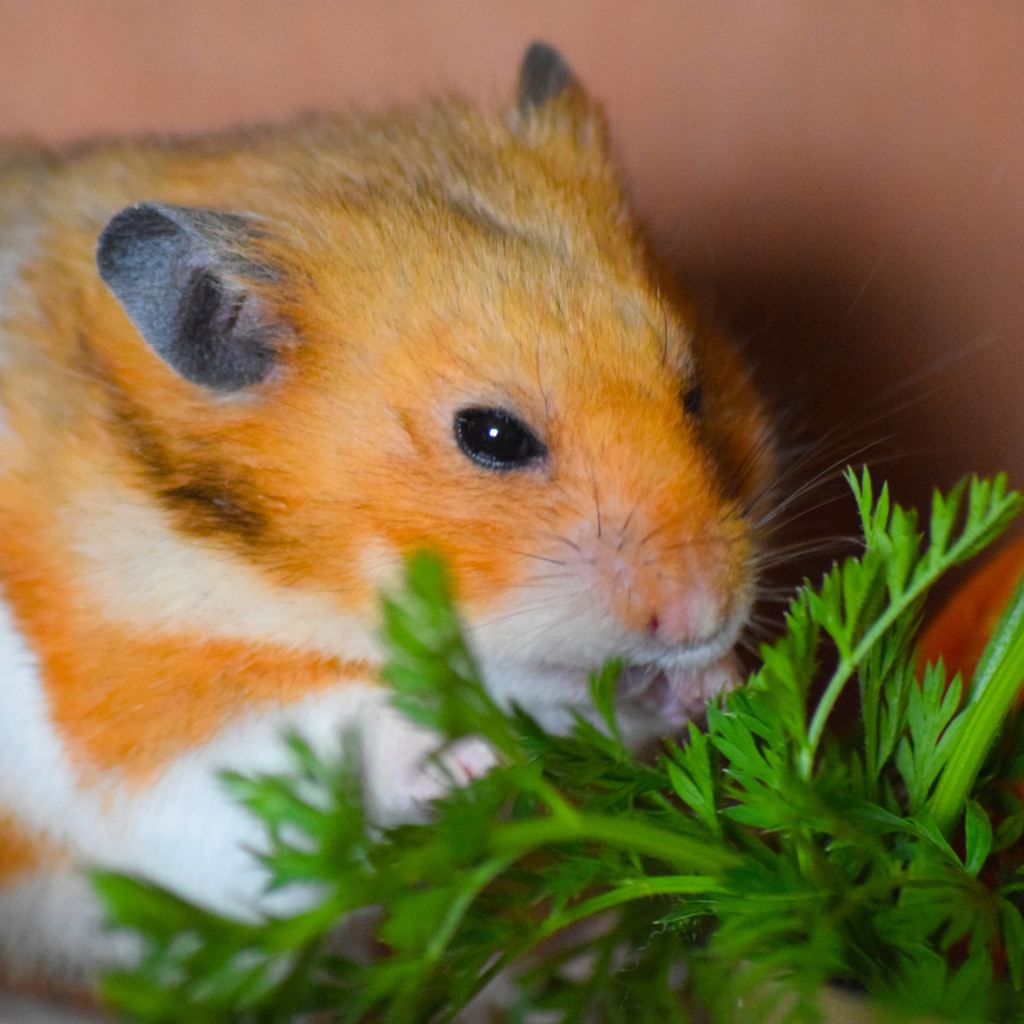
While hamsters can eat carrots, their leafy tops are also safe and nutritious.
8. Romaine Lettuce
Unlike iceberg lettuce, which has little nutritional value and can cause diarrhoea, romaine lettuce is a safer option in small pieces.
9. Chamomile
Chamomile flowers and leaves are safe for hamsters, fresh or dried.
10. Wheatgrass
Wheatgrass is nutritious and hamsters enjoy nibbling it fresh. You can grow a small tray on a windowsill.
How to Offer Plants to Your Hamster
- Wash thoroughly: Always rinse plants to remove dirt and pesticides.
- Serve in small amounts: Introduce new foods gradually to avoid digestive upset.
- Monitor reactions: Watch for signs of diarrhoea and stop the new food if it appears.
- Remove leftovers: Take out uneaten fresh greens the next day so they don’t go mouldy in the food stash.
- If in doubt, leave it out: Only offer plants you can identify with certainty.
Final Thoughts
Providing safe plants for your hamster can enrich their diet and daily life. Always ensure the plants you offer are pesticide-free and given in moderation. For more ideas, try hiding greens in one of these food puzzles for hamsters, and if your hamster seems unwell after a new food, check common hamster health problems.



Leave a comment