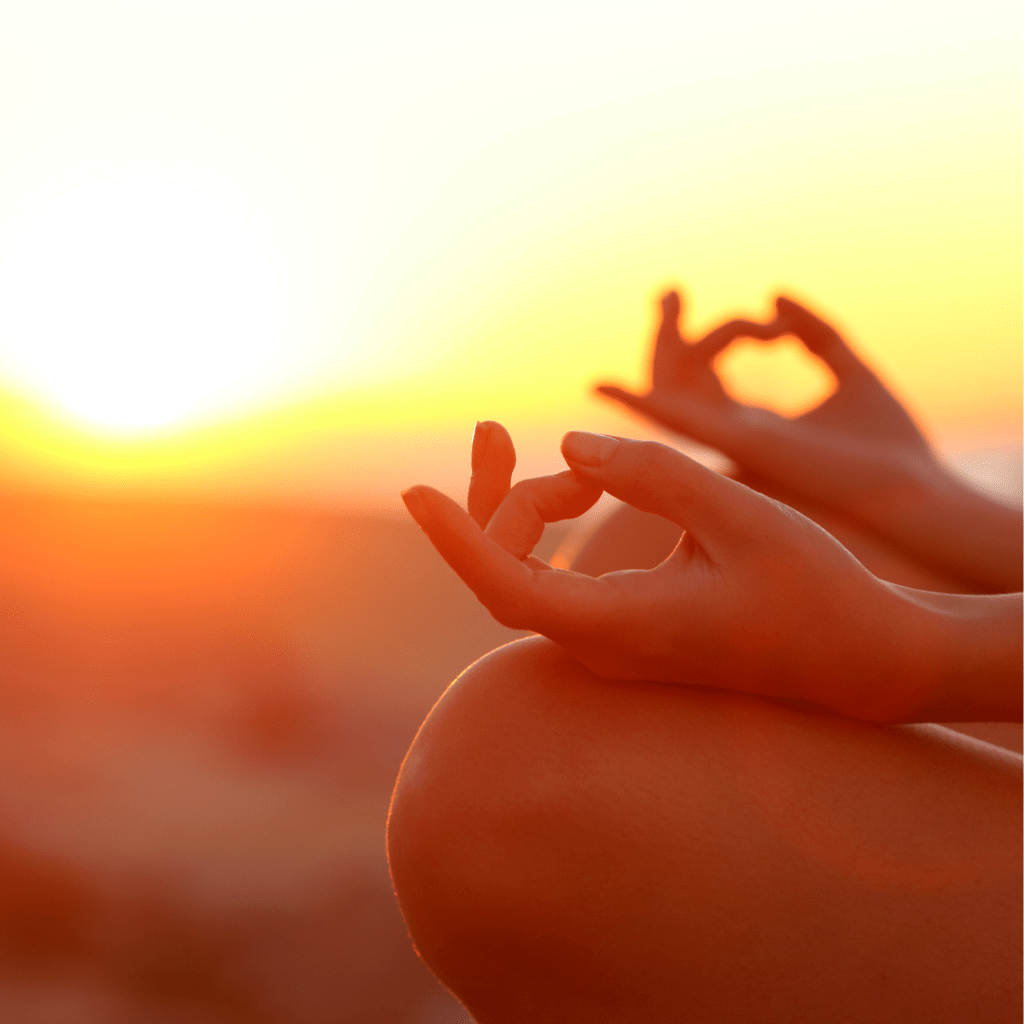
In today’s fast-paced world, stress has become an inevitable part of life. Managing it well is crucial for overall health and well-being, and yoga is one of the most accessible, holistic ways to do it. Yoga combines physical postures, breathing exercises, and meditation into one practice that can help reduce stress and promote mental clarity. Here’s how it helps.
1. Physical Relaxation
Yoga involves a series of physical postures (asanas) that stretch and strengthen the body. These postures help release physical tension and promote relaxation.
- Muscle Relaxation: Stretching tight muscles can relieve physical tension, which often accumulates due to stress.
- Improved Flexibility: Enhanced flexibility can lead to better posture and reduced muscle strain.
- Endorphin Release: Physical activity, including yoga, stimulates the release of endorphins, which are natural mood lifters.
2. Breathing Techniques
Breathing exercises (pranayama) are a core component of yoga. These techniques help regulate the breath, calm the nervous system, and reduce stress levels.
- Deep Breathing: Slow, deep breaths that promote relaxation.
- Alternate Nostril Breathing: Helps you slow down and focus.
- Ujjayi Breath: A slow, audible breath that calms the mind and focuses concentration.
3. Mindfulness and Meditation
Yoga incorporates mindfulness and meditation practices that help calm the mind and reduce anxiety. By focusing on the present moment, these practices help to quiet the mind.
- Mental Clarity: Regular meditation practice can enhance focus and clarity of thought.
- Emotional Regulation: Mindfulness helps in recognizing and managing emotions, reducing the impact of stress.
4. Better Sleep
Stress often disrupts sleep, leading to a cycle of fatigue and more stress. Gentle yoga and breathing before bed can help your body wind down, and a regular practice can make it easier to fall asleep.
5. Mood and Emotional Balance
Many people find that regular yoga lifts their mood and leaves them feeling calmer and more balanced. It can be a helpful part of looking after your mental health, alongside support from your GP or a mental health professional if you are struggling with anxiety or low mood.
6. Community and Support
Participating in yoga classes, whether in-person or online, provides a sense of community and support.
- Social Connection: Building connections with fellow practitioners can reduce feelings of isolation.
- Accountability: Group classes encourage consistency in practice.
Final Thoughts
Yoga is a powerful tool for managing stress, combining movement, breathing, mindfulness, and community. You don’t need special equipment to start: a mat, ten quiet minutes and a beginner video are enough. Start small, be kind to yourself, and notice how your body and mind respond.


Leave a Reply