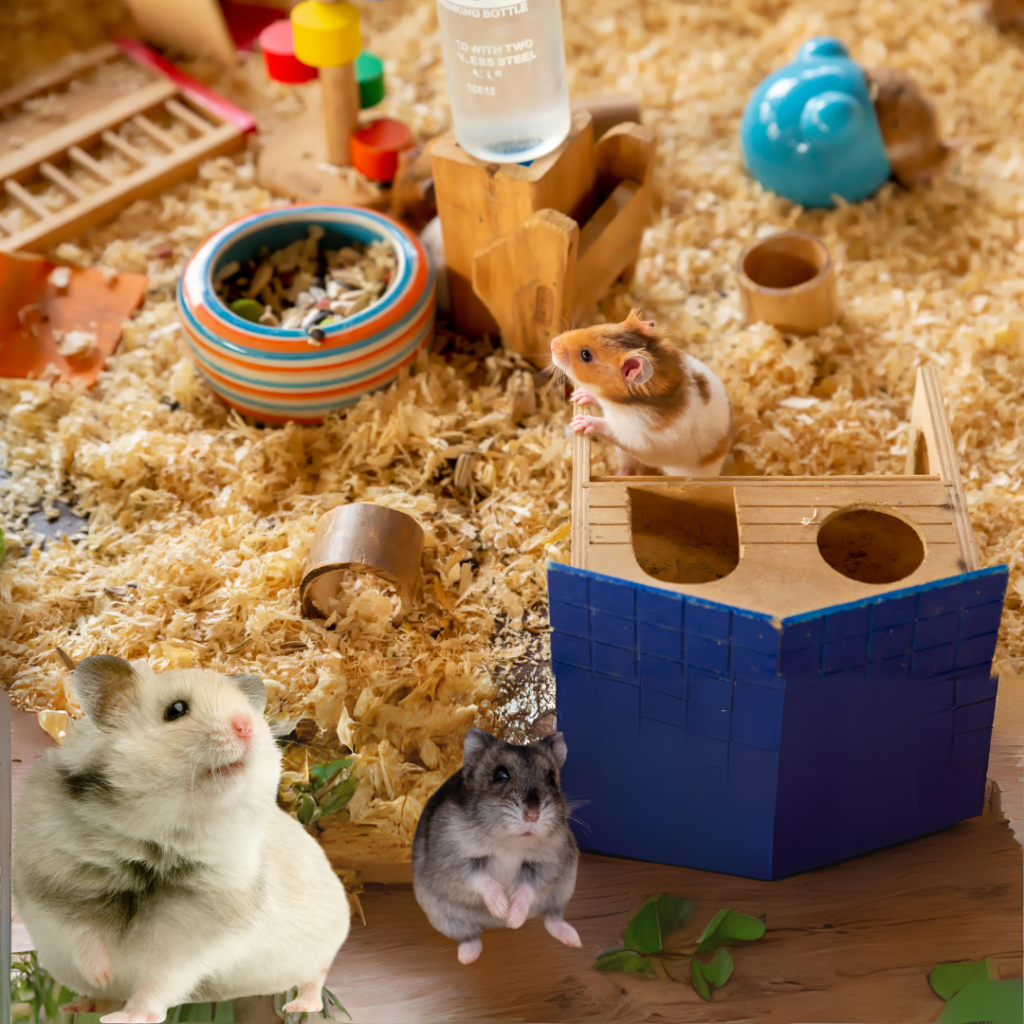
A hamster’s cage is their sanctuary—a place where they eat, sleep, play, and explore. As responsible pet owners, it’s crucial to create an enriching environment that meets their physical and psychological needs. In this guide, we’ll delve into the art of cage setup, offering valuable tips and recommendations to ensure your hamster’s habitat is nothing short of paradise.
Understanding the Importance of Cage Setup: A well-designed cage is essential for your hamster’s health, happiness, and overall well-being. It serves as their primary living space, providing them with shelter, security, and opportunities for enrichment. Proper cage setup not only enhances your hamster’s quality of life but also fosters their natural behaviors and instincts.
Choosing the Right Cage: When selecting a cage for your hamster, prioritize size, ventilation, and safety. Opt for a spacious enclosure with ample room for your hamster to move around, exercise, and explore. Wire cages with solid floors are ideal, as they allow for proper airflow and prevent injury. Avoid cages with wire mesh floors, as they can cause foot injuries.
Essential Cage Accessories:
- Bedding: Choose a safe and absorbent bedding material, such as aspen shavings or paper-based bedding, to line the bottom of the cage. Avoid cedar and pine shavings, as they contain aromatic oils that can be harmful to hamsters.
- Hideouts and Nesting Materials: Provide your hamster with hideouts, tunnels, and nesting materials, such as shredded paper or hay, to create a cozy and secure sleeping area.
- Food and Water Dispensers: Invest in sturdy food and water dispensers to ensure your hamster has access to fresh food and water at all times. Opt for spill-proof designs to minimize mess and waste.
- Exercise Wheel: A properly sized exercise wheel is essential for your hamster’s physical health and mental stimulation. Choose a solid-surface wheel with a diameter large enough to prevent spinal curvature.
- Chew Toys and Enrichment Items: Offer a variety of chew toys, tunnels, and enrichment items to keep your hamster mentally stimulated and prevent boredom. Rotate toys regularly to maintain their interest.

Cage Setup Tips and Recommendations:
- Multi-Level Design: Consider a cage with multiple levels or platforms to maximize space and provide additional opportunities for exploration and exercise.
- Natural Elements: Incorporate natural elements, such as untreated wooden branches or rocks, into your hamster’s habitat to mimic their natural environment and encourage foraging behaviors.
- Proper Ventilation: Ensure adequate ventilation by choosing a cage with large enough openings and regularly cleaning the cage to prevent ammonia buildup.
- Hygiene and Cleaning: Establish a regular cleaning routine to maintain a clean and sanitary living environment for your hamster. Spot-clean the cage daily and perform a thorough cleaning, including bedding replacement, on a weekly basis.
By following these tips and recommendations, you can create a hamster habitat that is both functional and enriching. Remember to prioritize your hamster’s needs and preferences when designing their cage setup, and don’t hesitate to experiment with different accessories and configurations to find what works best for your furry friend. With a well-designed cage setup, your hamster will thrive in their own little paradise.

 VistavieVivien