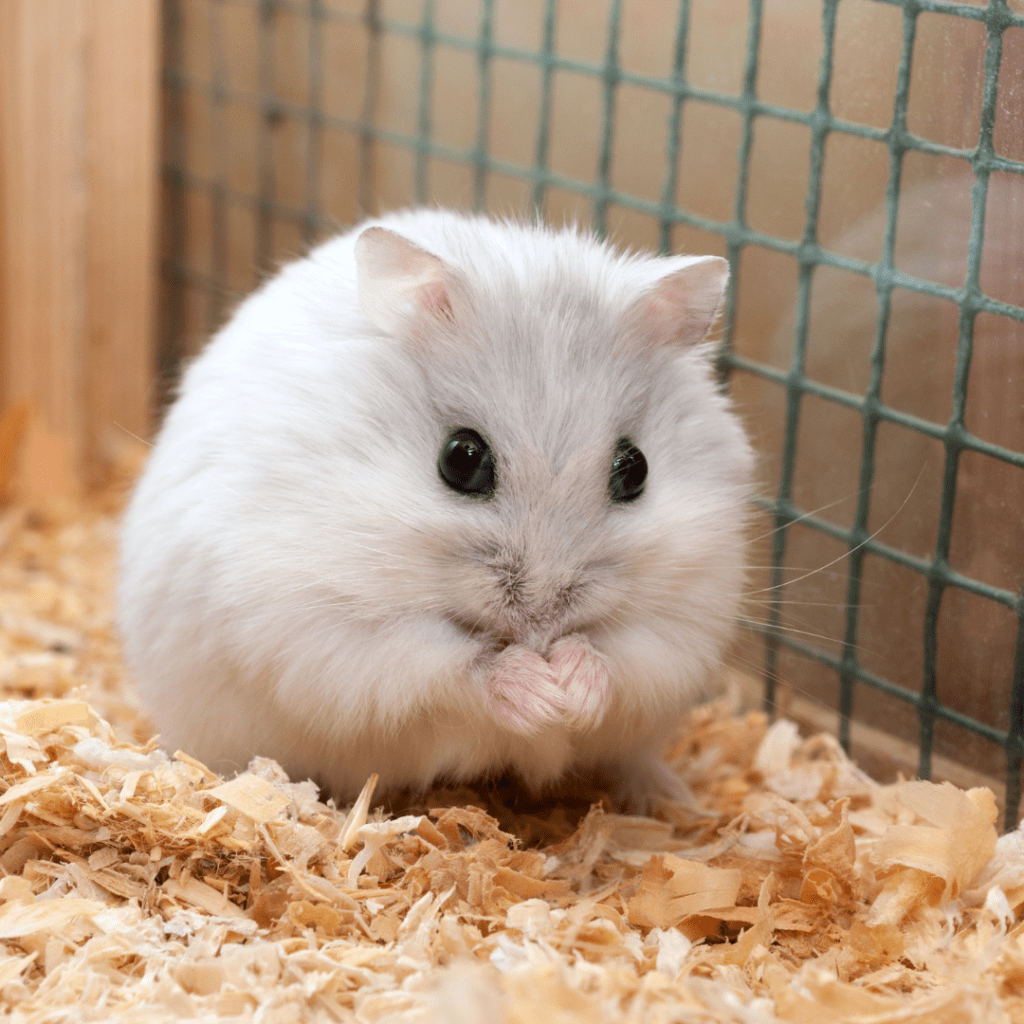
Keeping your hamster’s cage clean is essential for their health and well-being. A clean environment prevents the buildup of bacteria, reduces odors, and ensures your hamster has a comfortable living space. However, it’s important to balance cleanliness with maintaining a familiar scent for your hamster, which helps them feel secure. Here’s a comprehensive guide on how often to clean your hamster’s cage, along with recommended products from Amazon to make the process easier and more efficient.
Daily Maintenance
Spot Cleaning:
- Frequency: Daily
- Tasks: Remove any uneaten fresh food, clean up soiled bedding in the areas where your hamster urinates or defecates, and check for any messes.
- Benefits: Regular spot cleaning helps keep the cage fresh and reduces the need for frequent full cleanings.
Pet Touch X 60 Pack All Purpose PET WIPES
Petall Pet Cleaning Wet Wipes 50 Extra Large Thick Wipes – Hypoallergenic Pet Wipes
Weekly Cleaning
Partial Cleaning:
- Frequency: Once a week
- Tasks: Replace about a third of the bedding, clean food dishes, and water bottles, and wipe down any surfaces that have become dirty.
- Benefits: Partial cleaning helps maintain a clean environment while retaining some of the hamster’s scent, which is important for their comfort.
Kaytee Clean & Cozy Super Absorbent Paper Bedding for Cages
SMALL PET SELECT Unbleached White Paper Bedding
Monthly Deep Cleaning
Full Cage Cleaning:
- Frequency: Once a month
- Tasks: Remove all bedding and thoroughly clean the entire cage, including all accessories. Use pet-safe disinfectants to clean the cage and rinse everything well before adding fresh bedding.
- Benefits: A deep clean ensures that any bacteria, mold, or hidden waste is removed, providing a hygienic environment for your hamster.
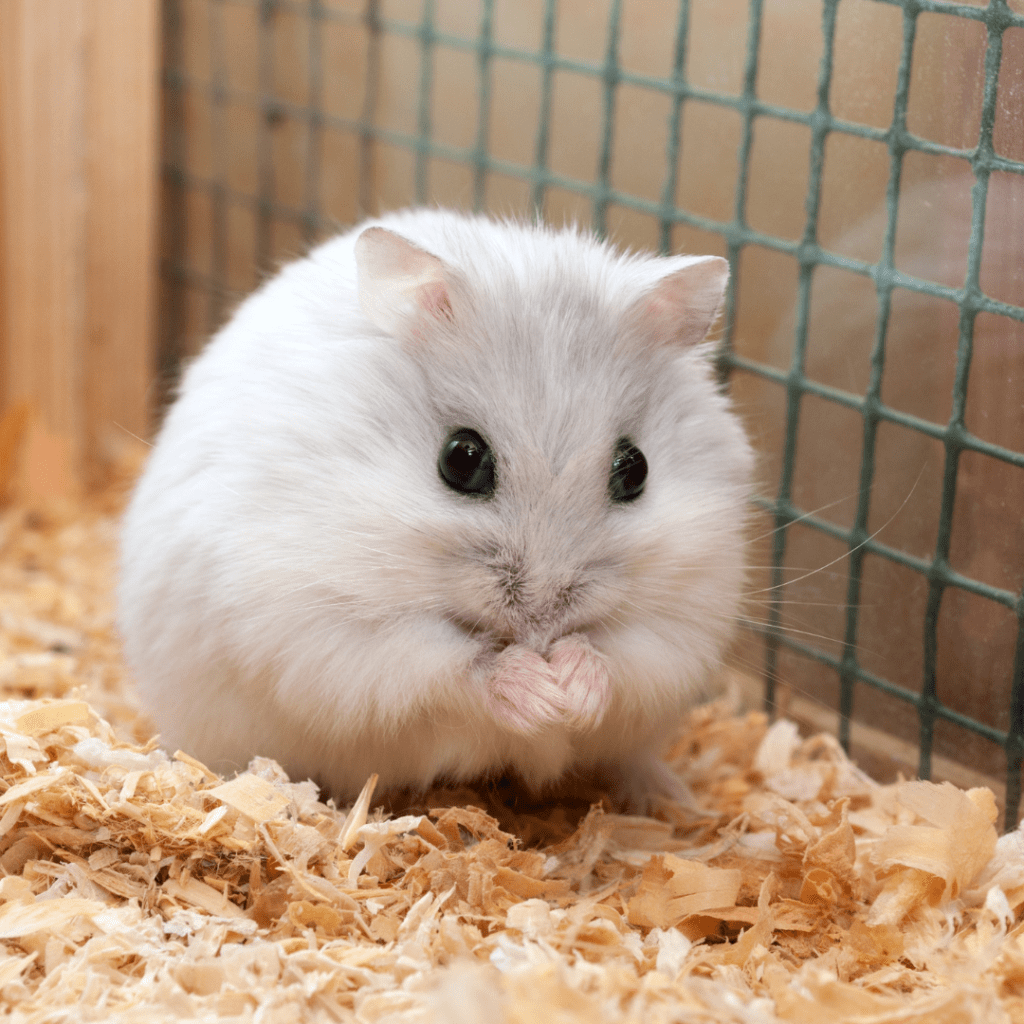
Step-by-Step Guide to Deep Cleaning:
- Remove the Hamster: Place your hamster in a safe temporary holding area, such as a playpen or a secure carrier.
- Dispose of Old Bedding: Throw away all the old bedding and any uneaten food.
- Clean the Cage: Use a pet-safe disinfectant to scrub the cage thoroughly. Pay special attention to corners and crevices where waste can accumulate.
- Rinse and Dry: Rinse all surfaces with water to remove any cleaning residue and dry the cage completely.
- Clean Accessories: Wash all toys, hideouts, and other accessories. Replace any that are worn out or damaged.
- Replace Bedding: Add fresh bedding and set up the cage with clean accessories.
- Return the Hamster: Once everything is dry and set up, return your hamster to its clean home.
Simple Solution Extreme Pet Stain and Odour Remover
OUT! Cage and Hutch Spray Cleaner
Amakunft Guinea Pig Playpen with Cover
High Humidity and Warm Climates:
- In humid or warm environments, cages may need more frequent cleaning to prevent mold and bacterial growth. Monitor your hamster’s cage and adjust the cleaning schedule as needed.
Multiple Hamsters:
- If you have more than one hamster, the cage will likely become dirty more quickly. Increase the frequency of spot and partial cleanings to maintain a healthy environment.
Illness:
- If your hamster is ill, it’s crucial to keep their cage exceptionally clean to prevent further complications. Follow your veterinarian’s advice on cleaning during this time.
Regular cleaning of your hamster’s cage is essential to ensure their health and happiness. By following a routine of daily spot cleaning, weekly partial cleaning, and monthly deep cleaning, you can maintain a hygienic and comfortable environment for your furry friend. Use the recommended products from Amazon to simplify the cleaning process and provide the best care for your hamster.
By maintaining a clean cage, you not only keep your hamster healthy but also create a more pleasant home environment free from unpleasant odors. Happy cleaning!

 VistavieVivien
Leave a comment